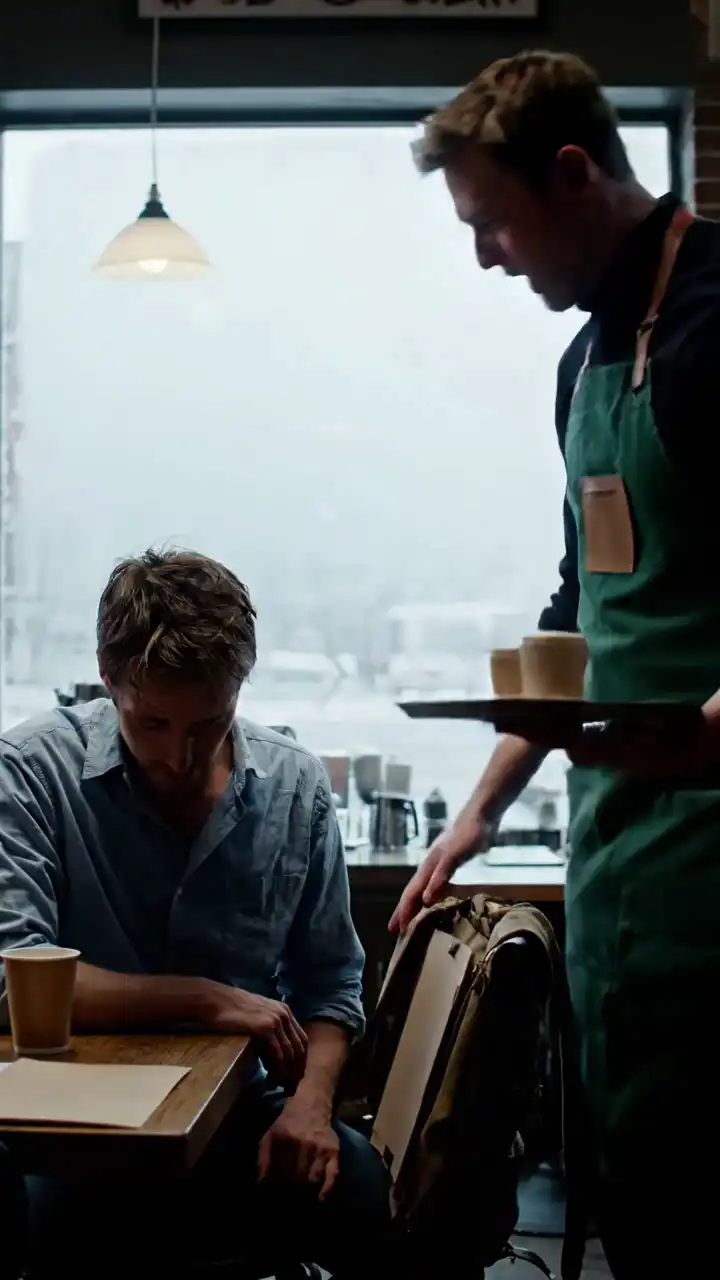
MY BROTHER SAID I WAS BEGGING IN HIS CAFE THEN A STRANGER SPOKE MY NAME
Chapter 1
My brother said it loud enough for the whole cafe to hear.
“If you’re not buying anything, you can’t sit here all morning.”
Every spoon stopped clinking.
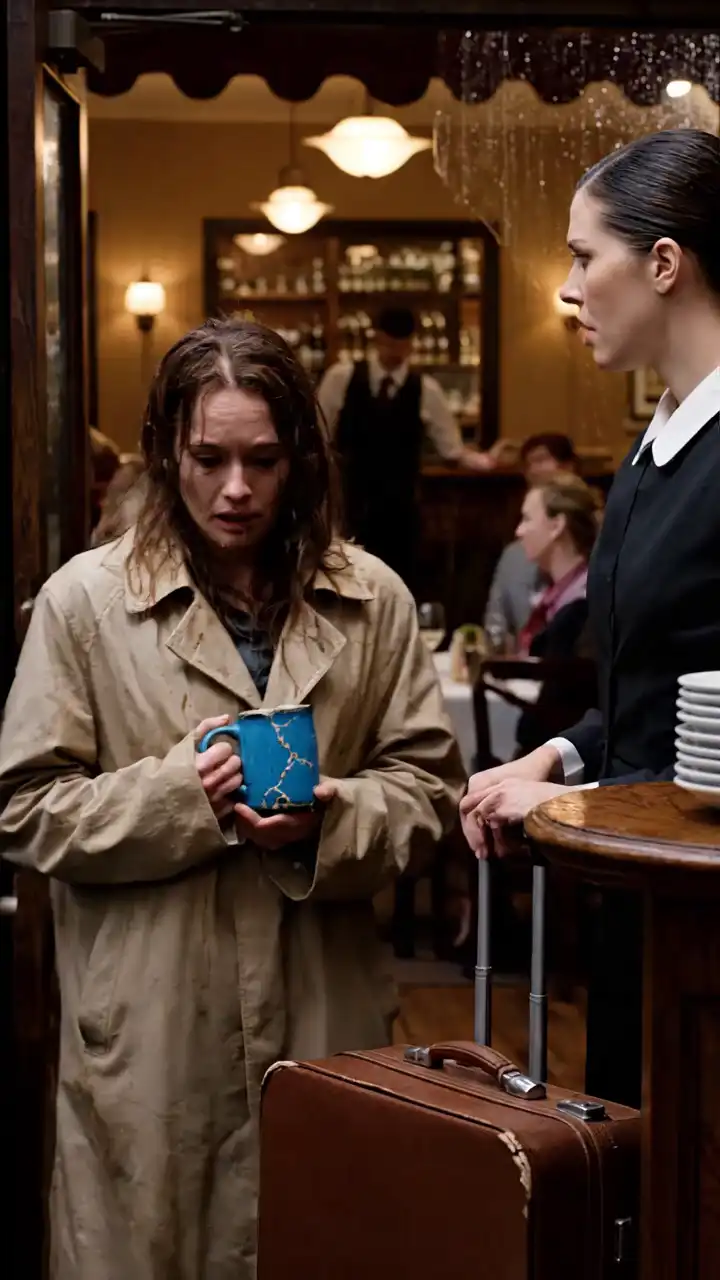
I looked up from the corner table by the fogged front window of Bristle Cone Coffee and saw twenty faces trying not to stare. My paper cup was empty. My backpack sat at my feet with a folder sticking halfway out, bent at the corners from too many interviews and too many rejections. A little girl near the pastry case turned fully around on her stool and stared at me like I was part of the menu board.
My brother, Nolan Pike, had one hand on a tray of cappuccinos and the other pressed flat against the back of the chair across from me, as if he was making sure I understood I had taken up enough space already.
“Nolan,” I said quietly, “I’m waiting for a call.”
“Then wait outside.”
The words hit harder because he said them in his work voice, the one he used for difficult customers, smooth and public and cold. My older brother had been that way ever since he bought into the cafe in Wexler Hollow and started wearing dark aprons and talking about margins and brand image like he’d invented both.
I could have argued. I could have told everyone I’d spent the last three weeks sleeping in my car behind Reddin’s Auto because my landlord changed the locks after I missed rent. I could have said I only came here because the heat worked, the Wi-Fi was free, and Nolan had once promised me family would never let family freeze.
Instead, I reached for my bag.
That was when the woman by the register gasped.
Her oversized cream handbag lay open on the floor beside her chair, one strap twisted under the leg. Lipstick, receipts, and a sunglasses case had spilled halfway out. She scooped the bag up, looked inside, and her face changed so fast it pulled the whole room with it.
“My wallet.”
She looked straight at me.
“My wallet is gone.”
The little girl whispered, “Mom?”
Her mother’s hand tightened around the purse. “It was right here.”
Nolan turned to me so quickly his tray rattled.
I hadn’t even stood up yet, but somehow I was already guilty in the air of the room. Maybe it was the backpack. Maybe it was the wrinkled shirt I’d worn for two days. Maybe it was that everyone had just watched my own brother tell me to leave.
“I didn’t take anything,” I said.
No one asked me a question. No one needed details. Suspicion moved faster than language.
The woman pointed with two shaking fingers. “He was sitting right there. He was watching.”
I almost laughed at that, not because it was funny, but because what else had I been doing? Watching people buy drinks I couldn’t afford while pretending I still belonged indoors.
Nolan set the tray down on the nearest table. “Elias,” he said, low and tight, “don’t make this worse.”
That hurt more than the accusation.
He didn’t ask if I took it. He asked me not to make it worse.
“I didn’t touch her bag.”
A man in a puffer vest rose halfway from his seat. “Maybe just let him empty the backpack.”
“I said I didn’t take it.”
The little girl slid off her stool and moved behind her mother’s legs. The espresso machine hissed. A phone came up somewhere near the back, not recording yet but close.
Nolan held out his hand. “Let me see the bag.”
I stared at him.
He was my brother. We had buried our father together in the rain six years earlier. We had stood shoulder to shoulder outside Saint Bartram’s after the service while everyone else talked in casseroles and weather. He had once punched a kid in middle school for calling me weak. But in that cafe, under the hanging plants and chalkboard menu, he looked at me like I was a stain threatening his furniture.
“Eli,” he said. “Give me the bag.”
My hands moved before my pride could stop them. I pulled the backpack onto my lap and unzipped it. Inside were my laptop, a rolled hoodie, a box of crackers, two bottles of water, my folder of resumes, and a hard plastic case full of old cables and tools. The kind of things I kept because you never knew when something small would need fixing and I had gotten used to solving small problems because the big ones were out of reach.
Nolan crouched and looked through it himself.
The room watched his face for the shape of guilt.
He found nothing.
The woman with the handbag still looked at me with bright angry eyes. “Then where is it?”
“I don’t know.”
“You were here.”
“Yes.”
“You were staring.”
“I was trying not to pass out,” I said, before I could stop myself.
That changed something in the room, but not enough. Embarrassment has a smell. Once people think they catch it on you, they keep their distance.
Nolan stood up. “Maybe you should go.”
I swallowed. “You still think it was me.”
He did not answer.
That was his answer.
I shoved my folder back into the backpack too hard. Pages slipped loose and slid over the floor. Diagrams, notes, printed emails, a copy of an old conference program, all of it scattered under chairs and shoes. I dropped to my knees to grab them before anyone stepped on them.
A boy at the window table laughed softly. Someone muttered, “Man.”
Then the grinder on the bar shrieked and cut off with a choking snap. The overhead menu screens flickered. The milk fridge light blinked twice and died. A sharp burnt smell spread through the room.
Nolan turned. “No. No, no, not today.”
One of the baristas hit a button. Nothing. The register went black. The espresso machine gave a final sad beep and went silent.
The line of customers shifted at once, frustration replacing curiosity. Nolan ran behind the counter, crouched, opened the cabinet beneath the machine, and stared into the mess of wires and dripping hoses like anger could restart electricity.
“We just had the service done,” he said.
The younger barista, a woman with a silver nose ring, said, “It sparked under the panel.”
Nolan yanked at something, swore, then slammed the cabinet shut. “Everybody hang on. We’ll be back up in a minute.”
But the smell said otherwise.
I should have left. I should have gathered my papers and gone back to the car and let my brother’s day burn without me.
Instead, still on my knees, I looked toward the counter on instinct. It was an ugly, familiar instinct, the kind that comes from years of noticing bad wiring before anyone else smelled plastic.
Nolan smacked the side panel. “Come on.”
Without thinking, I said, “Don’t touch the relay housing.”
He froze.
I froze too.
The nose-ring barista looked over at me. “What?”
I stood slowly, folder clutched against my chest. “If it arced under the panel and the fridge blinked too, it’s probably not the machine. Could be the load transfer board. If the backup switch stuck half-closed, hitting the side will make it worse.”
The whole room got quiet in a different way.
Nolan straightened. “You don’t know what you’re talking about.”
Maybe I should have nodded and sat back down. Maybe humiliation would have been simpler if I’d stayed only humiliated.
But there was a scorch mark near the cable run and a faint ticking under the dead machine. I could hear it even over the murmurs.
I took one step toward the counter and said, “Unplug bay three.”
Nolan laughed once, sharp and ugly. “You think because you used to fix office printers you can tell me how my cafe works?”
Before I could answer, a voice from the back of the room cut through the silence.
“Did he just say load transfer board?”
Everyone turned.
At the rear table, half-hidden behind a pillar and an untouched cup of tea, an older Black man in a charcoal coat lowered his newspaper. He had been there so quietly I hadn’t noticed him before. He stared at me over gold-rimmed glasses with the kind of focus that made my skin go cold.
Then he said my name.
“Elias Pike?”
Chapter 2
It is a strange thing to be accused of stealing in front of a room full of strangers and then feel your stomach drop harder when one of them recognizes you.
I stood beside the pastry case with my papers half falling out of my folder, my brother glowering behind the dead espresso machine, and every eye in Bristle Cone moving from me to the man at the back and back again.
I knew the face before I knew why.
Not from town. Not from church. Not from the unemployment office or the county food pantry or any of the places I’d been trying not to be seen lately.
Then it hit me.
Three years earlier, in Denver, at a packed convention hall under impossible blue lights, that same man had stood on a stage and handed out the Bellwether Systems Innovation Grant. I had watched him from the second row with a badge clipped to my blazer and a heart pounding so hard I thought I might black out.
Dr. August Vale.
Founder. Investor. Mechanical engineer. The kind of man trade magazines called visionary until the word stopped sounding human.
Now he was sitting in my brother’s cafe in Wexler Hollow with a tea gone cold.
Nolan looked annoyed, not impressed. “Sir, if you know him, maybe you can tell him this isn’t the time.”
Dr. Vale ignored him.
He rose slowly, folded his newspaper once, and walked toward me. He was probably in his late sixties, broad-shouldered despite the cane he carried, with silver hair and a face lined by the habit of paying attention.
He stopped in front of me and looked from my wrinkled collar to the folder in my hands to the open backpack at my feet.
“I thought it was you,” he said.
I didn’t know where to put my eyes. “Dr. Vale.”
Now the room really shifted. A few people recognized the name. Most did not. It didn’t matter. Recognition itself has weight.
Nolan’s expression changed only a little. “You know each other?”
Dr. Vale took the conference program page sticking out of my folder and lifted it by one corner. My name was still visible above a faded panel title.
He read aloud, “Elias Pike, lead systems architect.”
My brother looked at me like he had found a second reason not to trust me.
The woman with the missing wallet clutched her purse tighter. “What does that have to do with my wallet?”
“Nothing yet,” Dr. Vale said. “But perhaps more than his backpack does.”
The woman flushed. Nolan folded his arms.
“Sir,” Nolan said, “with respect, my customer is missing her wallet and my equipment is down.”
“And with respect,” Dr. Vale replied, glancing at the dead machine, “the only person in this room who identified the likely failure from ten feet away is the man you were throwing out.”
I wanted him to stop.
Not because he was wrong. Because public attention felt dangerous now. I had spent eleven months becoming smaller on purpose. Smaller voice, smaller needs, smaller explanations. Survival teaches you to disappear in polite increments.
I said, “It was just a guess.”
Dr. Vale looked at me as if I’d insulted him. “No, it was not.”
The silver-nosed barista leaned over the counter. “What’s a load transfer board?”
I answered without thinking. “It manages switch priority between the main line and the backup supply. If it shorted, the machine might look dead when the fault is actually upstream.”
Nolan scoffed. “You hear one YouTube video and suddenly—”
“Bay three,” I said, looking at the outlets under the counter. “That mini fridge and grinder are sharing too much on the same run. If there was heat damage earlier, the relay could have welded.”
Nolan’s jaw tightened. “Stop.”
The older man’s gaze sharpened. “Was he right?”
The barista hesitated. “The service tech did mention heat on that side last week.”
Nolan shot her a look. “Tessa.”
She stepped back.
The little girl near the register tugged her mother’s sleeve. “Mom, is he in trouble?”
“Not now, Chloe.”
The child looked at me, then at my papers on the floor. “He looks sad.”
Children are cruel without trying, and honest the same way.
My ears burned.
Dr. Vale bent with more effort than grace and picked up one of the fallen pages. It was a printout of a circuit map, marked by hand in red and blue ink. I had been reviewing it that morning because old habits are hard to kill. When I was anxious, I still studied systems. Machines were easier than people. Machines lied less.
He held up the page. “You still annotate by hand.”
I managed a thin smile. “Helps me think.”
“It helped save my company seven years ago.”
That line landed in the room like a dropped plate.
Nolan frowned. “What company?”
I looked at Dr. Vale sharply. I had never told anyone in Wexler Hollow the full story of Denver. Not after the layoffs. Not after the startup collapsed and took my team, my title, and my health insurance with it. Not after every conversation back home started ending with So what happened? and I ran out of ways to answer without sounding defensive or broken.
Dr. Vale still held the page. “Bellwether Grid.”
Nolan stared blankly. The man in the puffer vest whistled under his breath.
The woman with the missing wallet crossed her arms. “That doesn’t mean he didn’t take it.”
There it was again. The room’s first judgment refusing to die.
And maybe she was scared enough to cling to it. Maybe Nolan was too embarrassed to back down. Maybe once people begin arranging a person into a story, they hate to lose the shape.
Nolan looked at me. “If you know all this, then why are you sitting here with no coffee and nowhere to be?”
I could have lied.
Instead I said, “Because I got laid off. Because my savings ran out. Because I’ve been interviewing for jobs that don’t call back. Because I didn’t want to tell you I’ve been sleeping in my car.”
No sound from the room at all.
Nolan’s face emptied.
The words were out now, ugly and alive. I hadn’t planned to say them in public. I certainly hadn’t planned to say them in front of my brother, a stranger from my old life, and a woman who still thought I stole from her purse.
“You should’ve told me,” Nolan said, but it came out small and useless.
I laughed once, tired. “You already think I’m asking too much.”
Tessa the barista looked away.
Dr. Vale set my page carefully on the counter. “Mr. Pike, if you are willing, I’d like you to look at that machine.”
Nolan bristled at once. “This is my shop.”
“It is,” Dr. Vale said. “And it is currently losing money every minute.”
Nolan opened his mouth. Closed it.
The line of waiting customers had thinned but not disappeared. Some stayed for drama. Some stayed because there was nowhere else nearby to get decent coffee before the factory shift. Outside, sleet tapped the window. Inside, the cafe had become a pressure chamber.
Then the woman with the cream handbag suddenly dug through her coat pocket, froze, and pulled out a slim brown wallet.
Her whole face changed.
“Oh.”
No one said anything.
She looked at the wallet as if it had betrayed her personally. “I put it in my pocket when Chloe spilled the muffin.”
The little girl whispered, “I told you.”
Heat rushed through me so fast it almost made me sick. Not relief exactly. Relief would have been too simple. This was humiliation surviving past proof.
The woman’s eyes darted to me. “I— I thought—”
“It’s fine,” I said, because when you are poor enough, you learn to comfort people for what they did to you.
But it wasn’t fine. The room knew that. Nolan knew it most of all.
He rubbed his hand over his mouth. “Eli.”
I did not look at him.
Dr. Vale tapped his cane once on the floor. “Now,” he said mildly, “perhaps we can stop searching innocent men and start saving your wiring.”
Chapter 3
Nolan did not apologize.
Not right then.
He moved aside from the counter in the stiff, resentful way of a man who knows he is wrong but still wants to own the room he was wrong in. “You break anything,” he said, “I’m not paying for it.”
“I’m not charging you,” I said.
The line should have sounded sharp. It came out exhausted.
Tessa unplugged bay three exactly where I told her. The grinder stayed dead. The mini fridge remained dark. Under the espresso station, the cabinet smelled like burnt dust and hot copper. I crouched in front of it with one knee against sticky tile while a semicircle of customers watched me the way people watch roadside accidents: horrified, fascinated, half hoping to see fire.
My backpack lay open beside me. I took out the small plastic tool case. Nolan noticed that before anyone else.
“You carry that around?” he asked.
“All the time.”
“For what?”
I pulled out a voltage tester, a compact screwdriver, and a pair of insulated gloves with worn fingertips. “For moments exactly like this.”
The puffer-vest man gave a soft laugh. “Guess he wasn’t carrying stolen wallets.”
No one joined him.
I removed the side panel. Behind it, the board showed a blackened edge and a bubbled relay cap. Tessa leaned in.
“Oh wow.”
“Don’t touch,” I said.
She held up both hands. “Wasn’t planning to.”
The cafe lights over the front seating still worked, which told me the failure was isolated, not building-wide. Good. The ticking I had heard was faint but persistent, a thermal switch trying to reset and failing.
I looked up at Nolan. “Did the service guy replace this relay or just clean the contacts?”
“How would I know?”
“Because he would have billed you differently.”
Nolan frowned and grabbed a clipboard from beneath the register. He flipped through wrinkled invoices, scanned one, and muttered, “Cleaned contacts.”
“That bought you maybe a week.”
“So what now?”
I reached for a pen from behind my ear, then remembered I no longer kept one there unless I had borrowed it from somewhere. Tessa silently handed me hers. I used an old receipt to sketch a bypass route.
The act steadied me. For a few minutes, the world became line, load, fault, solution.
“We isolate the damaged relay and move the grinder off that run,” I said. “You can’t bring the full machine online safely until the board is replaced, but I can probably get your register, fridge, and one brewer back.”
Nolan stared at the sketch. “Probably?”
“If you want certainty, call an emergency electrician and close for six hours.”
Outside judgment has a taste. Bitter, stale, impossible to swallow. I had been living on it for months. But competence has a taste too, and the second one reaches the air, people start leaning toward it even if they hated you a minute before.
The customers did not drift away now. They stayed.
The woman with the wallet sat down with Chloe and kept her eyes lowered.
A college-aged kid near the window whispered, “This is wild.”
An older waitress from the diner next door came in for her usual tea, took in the scene, and asked Tessa, “What happened?”
Tessa shrugged toward me. “Family drama and electrical trauma.”
Dr. Vale sat at the nearest empty table and watched without interfering. He had the stillness of someone used to being obeyed without volume.
I rerouted the power to the register first, testing each connection before letting it carry load. The screen blinked back to life. A small cheer broke from the back of the room.
Nolan actually smiled before he caught himself.
Then came the grinder, not fully functional but enough for drip and basic service. The brewer warmed. The mini fridge hummed. Not a miracle. Not elegant. Just enough to keep the day from collapsing.
Tessa slapped a hand over her mouth. “No way.”
I stood up slowly and wiped my hands on my jeans. “Don’t run the espresso machine. Don’t plug the fridge back into bay three. And if anybody touches this relay housing before it’s replaced, you’ll fry the board for good.”
Nolan looked at the lit register, then at me.
“How do you know all this?”
He asked it softly this time. Not as an accusation. As a wound.
Before I could answer, Dr. Vale did.
“Because your brother designed control architecture that utilities in three states still use.”
Every head turned to him.
I felt a flash of anger then, surprising in its strength. “Please don’t.”
But the room had already changed again. Nolan’s brows drew together like he was trying to fit my face onto a stranger’s biography.
The diner waitress said, “He did what?”
Dr. Vale folded his hands over the top of his cane. “He led the emergency optimization team on a distributed transfer system after the Haldane storm failures. The redesign prevented cascade blackouts in rural medical zones. We were prepared to lose entire sections of the grid. We did not, largely because of him.”
The college kid took out his phone for real this time and started searching.
I said, “It wasn’t just me.”
“No,” Dr. Vale said. “But you were the one in the room who solved the impossible part.”
Nolan’s face drained. “Eli.”
I hated the way my own name sounded in his mouth now. Too careful. Too late.
He stepped closer. “Why didn’t you tell me?”
I gave a short, humorless laugh. “Would it have changed the part where you thought I stole a wallet?”
He stopped moving.
The answer was visible, and that was worse than hearing it.
Tessa busied herself wiping the already clean counter. The little girl Chloe kept looking at me as if she had discovered adults could turn into different people while standing still.
Nolan said, “I didn’t think—”
“That’s the problem.”
The words came out harder than I meant, but once they started, they kept coming.
“You saw me sitting here with a bag and no coffee, and you decided what that meant. You saw me looking rough, and you decided the rest. You didn’t ask one real question.”
His face reddened. “You disappeared after Denver. You came back and never said anything. You brushed me off every time I asked.”
“Because every time I came in here, you told me how busy you were, or how the place was struggling, or how everyone had to pull their weight. I could barely afford gas. I wasn’t going to hand you one more burden.”
That was the truest thing I had said all day.
Family pride is a ridiculous thing. It lets people starve in silence to avoid sounding needy. It lets brothers stand in the same room for months and notice everything except the truth.
The diner waitress shifted awkwardly and whispered to someone, “Maybe we should go.”
But they didn’t. Nobody left. Public shame is theater, and public unraveling even more so.
Then another voice entered, brisk and practical.
“Sorry, traffic on Bexley was a mess. Who called for emergency service?”
A woman in a county utility jacket came through the door carrying a toolbox and an electronic tablet. Her badge read MARA QUILLEN. She stopped after two steps and looked at the opened panel, the rewired run, and me standing there with Tessa’s pen still in my hand.
Her eyes widened.
“No way,” she said. “Elias Pike?”
Not again, I thought.
Mara barked a laugh of disbelief. “What are you doing here?”
Before I could answer, the college kid near the window turned his phone around.
“Uh,” he said, “I think he won an engineering award.”
The screen showed an old article. A younger version of me in a suit, blinking under stage lights, hands awkward around a glass plaque.
The headline was visible even from where Nolan stood.
RISING SYSTEMS LEAD ELlAS PIKE HONORED FOR RURAL GRID SAFETY BREAKTHROUGH
Someone in the back said, “You’ve got to be kidding.”
There are moments when a room turns against you, and moments when it turns toward you. Neither feels safe when you’re standing in the center.
Mara set down her toolbox and pointed at my sketch on the receipt. “Did you reroute this?”
“Yes.”
She examined it for two seconds and nodded. “That’ll hold.”
Nolan stared from her to the article to me.
The woman with the wallet finally stood and came over with Chloe tucked close against her side. “Sir,” she said, looking only at me, “I’m sorry.”
Her voice shook. Real shame this time, not the thin embarrassed kind. Chloe held up the half-eaten muffin in both hands and whispered, “I knew you didn’t do it.”
I crouched to her height and managed a smile. “Thanks.”
Then I stood again, because staying low in that room felt too much like begging, and I was suddenly done with that feeling.
Chapter 4
Mara Quillen was one of those people who improved every room simply by becoming the busiest person in it.
Within five minutes she had reviewed the wiring, approved the temporary bypass, ordered Nolan to keep two circuits dark, and called in the exact replacement board from the county depot in Hadley Cross. She moved with calm authority, and because she did, everyone else relaxed enough to become useful.
Tessa took orders for drip coffee only. The diner waitress helped stack cups. The puffer-vest guy carried a crate of bottled juice from the back room. Even the woman with the cream handbag asked if she could wipe tables.
Nolan said yes to all of it because saying no would have exposed how badly he had lost control.
I tried to slip away during the scramble.
That was the old instinct again. Fix the thing. Reduce the damage. Vanish before anyone asks you to explain yourself.
I had one backpack, one folder, and enough pride left to make walking out possible if I did it quickly.
But Dr. Vale stepped in front of the door before I reached it.
“Don’t run from this one,” he said.
I exhaled through my nose. “I’m not running.”
“What do you call it?”
“Leaving.”
He gave me a dry look. “Engineers do love renaming failure modes.”
Despite everything, I almost smiled.
He nodded toward an empty table near the side wall. “Sit with me for five minutes.”
“I don’t think I can.”
“You can.”
There was something unshakable in his tone, not pushy exactly, just settled. The way someone sounds when they know the part of you that works under pressure better than the part that breaks afterward.
So I sat.
The table still smelled faintly of cinnamon syrup. Meltwater from someone’s boots had gathered under the chair legs. Near the register, Nolan was trying too hard to sound normal while handing out coffee. Tessa was watching him with the expression of a person recalculating everything she thought she knew about her boss.
Dr. Vale took off his glasses and polished them with a cloth from his breast pocket. “I heard rumors after Bellwether downsized,” he said. “None of them included this.”
“This wasn’t the plan.”
“Rarely is.”
I looked at my hands. There was a dark grease streak across one thumb and a tiny nick near my knuckle. Useful marks. Better than pity.
“How long?” he asked.
“Without work? Eleven months.”
“And sleeping in your car?”
I hesitated. “Three weeks.”
He closed his eyes briefly, not dramatic, just tired in a deep human way. “Why did you not call anyone?”
“Who?”
“You know very well there are people who would have answered.”
The truth was ugly and ordinary. “I kept thinking I was one interview away from fixing it myself.”
“That answer has ruined many talented men.”
I leaned back and stared at the dead hanging bulb over the far corner table. “I didn’t want to become a story people told about wasted potential.”
He put his glasses back on. “You became that story only in your own head.”
That landed harder than I expected.
At the counter, Mara looked over her tablet and called out, “Elias, can you confirm the old board serial for me?”
I stood automatically, then caught myself and looked at Dr. Vale.
He smiled a little. “Go.”
I joined Mara behind the counter. Nolan stepped aside so fast it was almost a flinch.
Mara read the number out loud. I checked the board and corrected two digits. She grinned. “Still annoyingly exact.”
“Nice to see you too.”
She lowered her voice. “I mean it. We heard you’d gone private sector after Bellwether. Then nothing.”
“Private sector did not go well.”
She looked up at me, expression softening. “You applying anywhere?”
“Everywhere.”
“Send me your resume tonight.”
I blinked. “For what?”
“For the county modernization contract, for one. We lost a senior controls lead in February, and if they knew you were in Wexler Hollow, half the board would drive here themselves.”
I gave a short laugh. “You’re overselling it.”
“No, I’m not.”
Nolan heard enough of that to pale again.
The realization kept moving through him in waves, each one uglier than the last. Not just that I had been falsely accused. Not just that I had saved his morning. But that while he was judging me for sitting too long over an empty cup, other people were talking about me like I belonged in rooms he would never enter.
People think reversals feel good. They often do not. Sometimes they only make the earlier humiliation brighter.
By noon the replacement board was on the way. The worst panic had passed. Customers cycled in and out with lowered voices, each new arrival receiving some whispered version of what had happened. I could hear fragments while I coiled a spare line under the counter.
“That’s him.”
“His own brother—”
“No, really, look it up.”
The little girl Chloe left with her mother but waved before the door shut. “Bye, coffee fixer.”
That one actually made me smile.
Around one o’clock, my phone buzzed for the first time all day.
Unknown number.
For a second I thought absurdly that it might be one of the jobs. I answered at once and stepped near the window.
“Hello?”
“Mr. Pike? This is Brannon Leith from Norvale Transit Systems. We interviewed you Tuesday.”
I closed my eyes. “Yes.”
“We’d like to move forward with an offer, if you’re still interested.”
The cafe blurred around the edges.
Interested.
I looked out at Bexley Street, wet and gray and lined with the same brick storefronts I had known since childhood. My car was parked half a block down, old blue sedan, sleeping bag folded in the back where nobody could miss it if they looked closely enough.
I had wanted this call so badly for so long that now it felt suspicious.
“I’m interested,” I said carefully.
“Good. There’s one complication. The position is based in Marrow Bay, and we’d need an answer quickly.”
Marrow Bay was three hours away. A real engineering post. Salary, benefits, a chance to breathe again. Also distance. More than distance.
I glanced across the cafe and saw Nolan carrying a rack of cups to the dishwasher, shoulders bent under a weight I recognized. Guilt looks heavier on family than on strangers.
Brannon said, “Mr. Pike?”
“Yes,” I said. “Can you give me until tomorrow morning?”
“Absolutely.”
When I hung up, Dr. Vale was watching me from the table.
“Good news?”
“Maybe.”
“Maybe is often yes wearing fear.”
Before I could answer, Nolan approached. He stopped at the edge of the window light, hands damp from sink water, apron twisted at his waist. He looked younger suddenly, less like the owner of something and more like the brother I remembered from years when we could still embarrass each other without drawing blood.
“Can we talk?” he asked.
I wanted to say no.
Not because I hated him. Because I was tired enough that forgiveness felt like another task.
Still, I nodded.
We stepped into the narrow hallway by the restroom where bags of coffee beans were stacked against the wall. The fan buzzed overhead. It was the least graceful place imaginable for an apology, which maybe made it more honest.
Nolan did not meet my eyes at first. “I was wrong.”
I said nothing.
He swallowed. “About the wallet. About the bag. About you being here. About… all of it.”
Still nothing.
His voice roughened. “I saw the worst version of what was in front of me because I was scared the cafe was slipping and because I thought you were going to ask me for money I didn’t have. So I got ahead of it. I made you smaller before you could make me feel small.”
That was such an exact description of cowardice that I had to look at him.
He rubbed the back of his neck. “I hate that I did that.”
“Yes,” I said. “So do I.”
He nodded once, accepting it.
Then, quietly, “You can stay with me. I should’ve said that weeks ago, if I’d actually looked. But I’m saying it now.”
The offer sat between us, fragile and overdue.
I thought of my car. The cold creeping in through the cracked weather stripping at night. Waking with my jaw clenched from the ache in my neck. Pretending each morning that this was temporary because admitting otherwise would have broken me.
I also thought of the cafe floor. His hand on the chair. If you’re not buying anything, you can’t sit here all morning.
I said, “I don’t know if I can come home with you today just because everyone knows I was useful.”
He flinched, and he deserved to.
“Fair,” he said.
Then Tessa stuck her head into the hallway. “Sorry. Tiny interruption. There’s a reporter here.”
Nolan and I both said, “What?”
She winced. “The county paper. Somebody posted the award article and the whole wallet thing online.”
Of course they had.
Public humiliation had now become public redemption, and in our town those two things traveled together like weather fronts.
“Tell them no,” I said instantly.
Tessa nodded. “Already did.”
I appreciated her more in that moment than she could have known.
But before she left, she added, “Also the county board chair called Mara, and she wants to talk to you. Like now.”
I laughed helplessly and put a hand over my face.
Nolan gave a tired little shake of his head. “Your timing is unbelievable.”
“No,” I said. “My timing is terrible. That’s been the whole issue.”
Chapter 5
By late afternoon, Bristle Cone Coffee looked nothing like the room where my brother had accused me of taking something I did not touch.
The line was back. The drip coffee kept moving. The replacement board arrived and Mara installed it with me checking connections while Nolan held a flashlight and said almost nothing. Outside, the sleet had turned to cold rain that streamed down the windows in long silver ropes. Inside, the heat and noise returned in layers until the cafe felt alive again.
And still I had not decided whether my life was about to begin again in Marrow Bay or whether I was too afraid to trust the offer.
Maybe that was why the final reveal hit me the way it did. I was already overfull.
Once the new board was in, Mara ran diagnostics from her tablet and let out a low whistle. “Clean. Better than before.”
Tessa clapped. A couple of customers joined in.
Nolan looked at me. “You should bill me.”
“I’m serious,” I said. “I’m not charging you.”
“Then let me pay you for your time anyway.”
“No.”
He nodded once. “Okay.”
That okay held more humility than anything else he had said all day.
Dr. Vale rose from his table and came to the counter just as Mara finished closing the cabinet. He set his tea cup down and looked directly at me.
“I have delayed saying this because I wanted to be certain you heard it as an offer, not a rescue.”
I felt my spine tighten. “Offer?”
“Yes.”
He took a slim leather card holder from his coat pocket and removed a white business card with no logo, only his name and a direct number written in dark blue ink.
“I am launching a rural resilience initiative through the Vale Foundation,” he said. “Infrastructure, distributed backup systems, local failure protection. Not theory. Deployment. We have funding, municipal interest, and a severe shortage of people who understand both the technical side and the human stakes.”
The whole counter area went still.
Mara blinked. “You’re building the Resilient Counties pilot?”
“I am.”
She looked at me as if she wanted to laugh and shout at once. “Elias.”
Dr. Vale continued. “I asked around about you after Bellwether fell apart. Every report said the same thing. Brilliant under pressure. Difficult to self-promote. Loyal to teams that did not deserve him. Then you vanished.”
Nolan’s eyes dropped to the floor.
I said, “People vanish for a reason.”
“Usually several.” His voice softened. “But if you are willing to stop vanishing, I want you to lead systems integration.”
I stared at him. “Lead?”
“Yes.”
“That’s not a small job.”
“No. It is not.”
Mara leaned her hip against the counter and grinned. “Take the compliment, Pike.”
I barely heard her. My mind had split in three directions at once. Norvale’s offer in Marrow Bay. The county board call waiting on Mara’s tablet. And now this—something bigger than a job, built from the exact kind of work I had once believed mattered before layoffs and debt and shame shrank my world to surviving till morning.
I looked at Dr. Vale. “Why me?”
He did not hesitate. “Because I remember who solved the room when everyone else was panicking. Because you saw the relay problem before anyone opened the panel. Because a person does not lose that mind just because his shirt is wrinkled and his cup is empty.”
No one moved.
There it was. The whole truth landing in one clean line.
Not because I was secretly rich. Not because I had hidden fame in some dramatic impossible way. But because the thing everyone had missed was simpler and harder: I was still myself, even at my lowest. The skill had not left. The worth had not left. Only the packaging had changed, and people had judged the packaging.
Tessa wiped at one eye and pretended it was from steam.
The woman with the cream handbag, who had returned to apologize again with a box of bakery cookies from down the street, covered her mouth with her hand.
Nolan stood so still he looked ashamed to occupy space.
I took the card but did not close my fingers around it yet. “I got another offer today.”
Dr. Vale nodded. “Then the world is remembering what it almost missed.”
“Three hours away.”
“And mine?”
“Where?”
He smiled faintly. “Wherever the work begins. Including counties not far from this one.”
That complicated everything in the strangest, gentlest way.
A voice from a nearby table piped up.
“Take the one where people aren’t mean to you.”
It was Chloe. She had come back with her mother for hot chocolate and had apparently been listening with the fierce seriousness only children can manage.
The room broke into startled laughter, then fell quiet again because she wasn’t wrong.
I crouched beside her chair. “That’s good advice.”
She nodded. “My mom says sorry a lot today.”
Her mother groaned softly. “Chloe.”
“It’s okay,” I said.
But this time, when I said it, it felt closer to true.
Nolan came around the counter then, untied his apron, and faced me in front of everyone.
I hated that I knew what he was doing before he did it. Public wrongs pull at public apologies. Sometimes that is vanity. Sometimes it is courage. Sometimes both.
“I need to say this where I said the other thing,” he said.
The cafe went silent enough to hear the fridge compressor click on.
He took a breath. “This morning I treated my brother like he didn’t belong here. I judged him by how he looked, by what I assumed, and by what I was afraid of. I was wrong about the wallet. I was wrong about him. And if any of you took your cue from me, that’s on me too.”
No one interrupted.
Nolan turned to me fully. His eyes were wet now, and he didn’t hide it.
“You weren’t begging,” he said. “You were trying to survive. I’m sorry.”
Something in my chest gave way.
Not all at once. Not enough to erase the hurt. But enough.
Public apologies don’t fix private damage. Still, they matter when the wound was made under bright lights.
I stood there with Dr. Vale’s card in one hand and Mara’s scribbled county email in the other, while my brother finally looked at me like he saw me whole.
I said the only honest thing I had.
“I needed you to ask if I was okay.”
His face crumpled.
“I know,” he whispered.
For a second neither of us moved. Then he stepped forward carefully, like approaching a frightened animal, and put his arms around me.
I did not hug him back right away.
Then I did.
The cafe let out the breath it had been holding all day.
Chapter 6
That night I did not sleep in my car.
I stood in Nolan’s driveway on Alder Run long after dark with my backpack hanging from one shoulder, looking at the yellow kitchen light through the curtains of his small rental house. Rain tapped the hood of my sedan. The sleeping bag was still in the back seat, rolled tight and damp at one corner. My whole life for the last month fit into spaces meant for groceries and jumper cables.
Nolan waited on the porch, not pushing.
“If you want the couch, it’s made up,” he said. “If you want the spare room, give me ten minutes to move boxes.”
“Couch is fine.”
He nodded. “Okay.”
Inside, the house smelled like tomato soup and dish soap. So ordinary I almost couldn’t stand it. His wife had left two years earlier, and the place still had that half-finished look of a man maintaining surfaces while grief gathered in drawers. We had both been living smaller than we admitted.
I showered until the hot water ran lukewarm. I stood there with my forehead against the tile and let the day move through me in pieces: Nolan’s hand on the chair, the woman’s accusation, the dead machine, Dr. Vale saying my name, Chloe’s solemn little face, the moment my phone rang, the card in my pocket.
When I came out, Nolan had put a folded T-shirt and sweatpants on the bathroom counter. “They’ll be big,” he said from the hallway.
“They’re fine.”
I wore them anyway. They smelled like cedar detergent. Family smells stranger after distance.
We sat at the kitchen table with soup and crackers neither of us was hungry for. The clock over the stove ticked too loudly.
Finally Nolan said, “I called Mom.”
I looked up sharply. “Why?”
“Because if she hears any version of today from someone else, it’ll become ten versions before morning.”
That was true. Wexler Hollow was small enough to turn a coffee spill into civic folklore.
“What did you tell her?”
“The truth.”
I waited.
He rubbed both hands over his face. “I told her I humiliated you in public and that I was ashamed. I told her you fixed the cafe. I told her you’ve been carrying more than I knew. She cried, then she got mad at me, then she asked if you’d eaten.”
Despite myself, I smiled. “That sounds right.”
“She wants you at dinner Sunday.”
“Of course she does.”
We sat in that for a moment.
Then I pulled out my phone and opened the email from Norvale. Good offer. Steady work. A road back to something recognizable. My finger hovered over the reply button but did not press.
Nolan watched me carefully. “You don’t have to decide tonight.”
“I know.”
“You got more than one option now.”
The sentence should have been simple. Instead it made my throat tighten.
For months I had lived as if the world had narrowed permanently. Every decision had become defensive. Preserve gas. Stretch food. Sound confident. Don’t ask. Don’t admit. Don’t need. Suddenly the map had opened again, and I was almost as frightened by possibility as I had been by failure.
The next morning I called Dr. Vale first.
He answered on the second ring. “Good. You did not disappear.”
“I almost took the safer job.”
“Almost is not yes.”
“No.”
A pause. Then, “What do you want, Elias?”
No one had asked me that in a long time.
Not what can you manage. Not what can you afford. Not what will keep you from sinking this week. What do you want.
I looked out Nolan’s kitchen window at the wet yard, the rusted grill, the pale edge of morning over the neighboring houses.
“I want to build things that matter,” I said. “And I don’t want to spend the rest of my life apologizing for having fallen apart.”
“Then come to Hadley Cross on Monday,” he said. “We begin at nine.”
After that I called Norvale and thanked them. My voice shook, but not from fear.
By Sunday, the story had gone everywhere it could go in a town like ours. At Halpern’s Pharmacy. At Saint Bartram’s after service. At the feed store, the diner, the checkout line at Mallow’s Market. Some versions made me sound like a genius in disguise. Some made Nolan sound worse than he was. Some left out the wallet and focused on the award. Some left out the award and focused on the sleeping bag in my car.
That part bothered me most.
Not because it was false. Because it was the only detail people suddenly found noble after they knew the rest.
Sunday dinner at Mom’s house on Copper Lane was loud, awkward, and healing in the way only family meals can be when everyone means well and nobody knows exactly where to place their hands. My mother kissed my face twice, cried once, and sent Nolan to fetch extra potatoes as punishment for being himself. My aunt Celene asked too many questions. My cousin Brent tried to make jokes and was shushed three times.
At one point Mom touched my wrist and said quietly, “You could have told us.”
I looked around the crowded table, at the people who had known me longest and still not seen how close to the edge I’d gotten.
“I know,” I said. “But you could have asked different questions too.”
She went still, then nodded.
That was the other truth of it. Not just that people shouldn’t judge by appearances. Also that love can become lazy if it assumes it already knows what someone’s life looks like.
A week later, I was standing in a renovated county operations building in Hadley Cross with a security badge clipped to my shirt and a project map spread across a conference table. Mara was arguing cheerfully over substation priorities. Dr. Vale was listening with that same impossible focus. My inbox contained actual work instead of desperate applications. My car still needed brakes. My debt had not vanished. My pride still bruised easily.
But I was no longer disappearing.
Sometimes, on early mornings, I still stop by Bristle Cone Coffee before driving out to field sites. Nolan always puts a cup in front of me without asking and never lets it be empty. The first time I tried to pay, he said, “Sit. I’m not making that mistake twice.”
Tessa laughed so hard she nearly dropped a mug.
People still glance at me sometimes, as if they’re matching the man in work boots to the old article online. I let them look. It no longer feels dangerous.
One rainy afternoon, Chloe came in with her mother and saw me at the counter reviewing diagrams.
She tugged on my sleeve and asked, “Are you still the coffee fixer?”
I looked at the pages in my hand, then at the humming machines, then at my brother wiping down the bar with a concentration that looked a lot like care.
“Something like that,” I said.
She considered this, then nodded as if the matter were settled forever.
Maybe it was.
Because the worst thing that happened to me in that cafe was not losing work or sleeping in a car or being mistaken for a thief. It was being looked at and reduced to the cheapest explanation.
And the best thing that happened there was not that people learned my title or saw an old award or offered me a new job.
It was that, for one brutal day under bright lights, the truth stood up anyway.
A wrinkled shirt can still hold a skilled man. An empty cup can still belong to someone worth listening to. And sometimes the person everyone is ready to throw out is the one quietly holding the room together.
Disclaimer: Mention of any brand or trademark is for identification only and does not imply partnership or endorsement
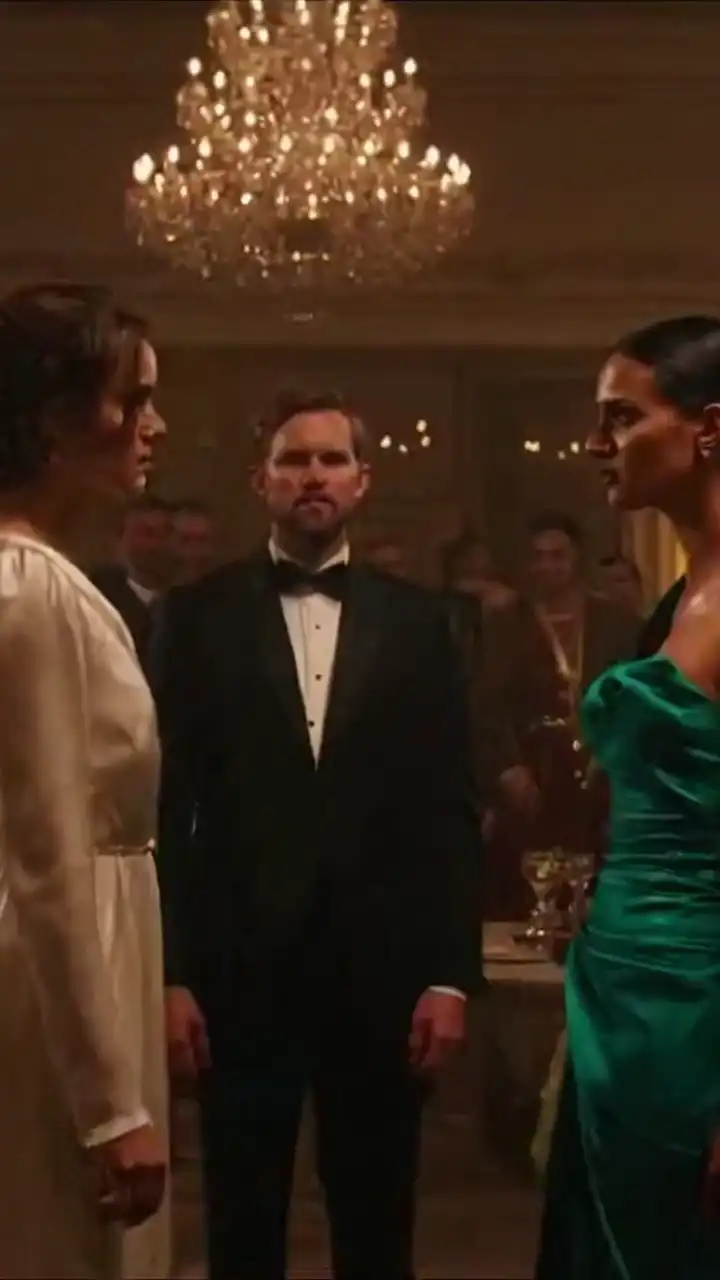
MY HUSBAND USED MY MONEY, GOT ENGAGED TO HIS MISTRESS, AND STOOD THERE WHILE SHE SLAPPED ME
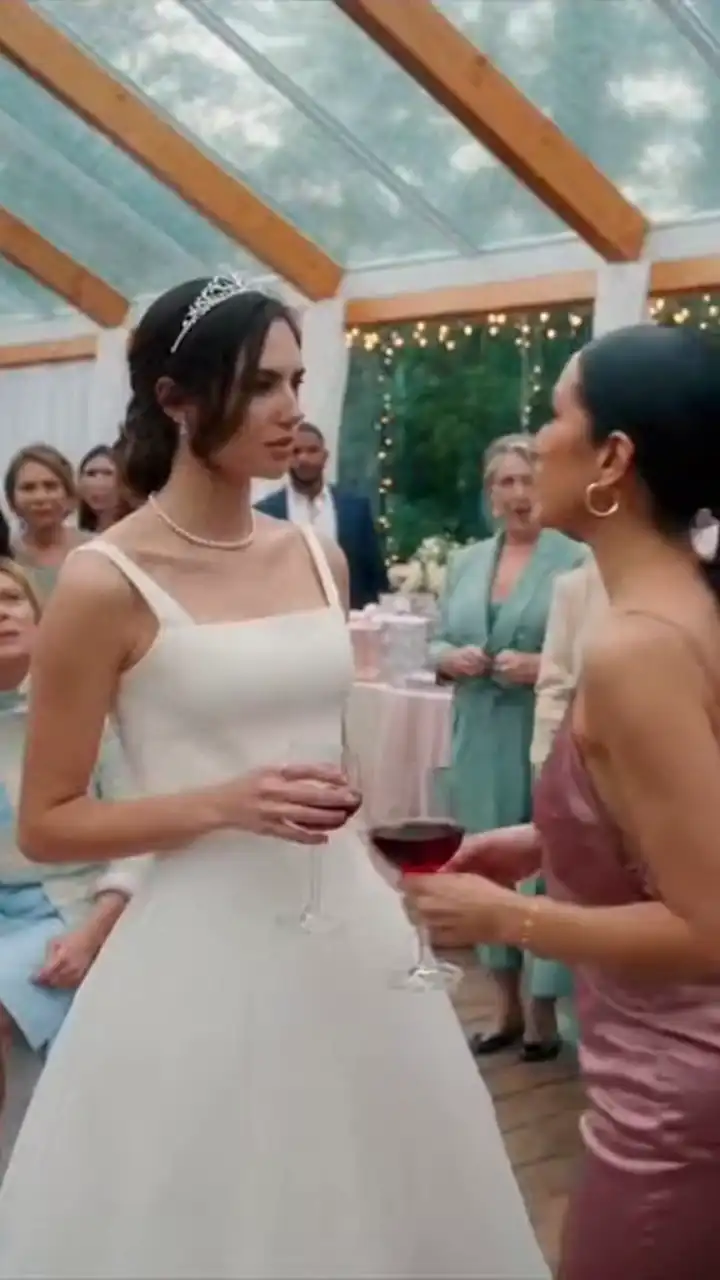
THE MAID OF HONOR POURED WINE ON ME AT MY BRIDAL SHOWER AFTER STEALING MY FIANCÉ. SHE DIDN'T KNOW THE ROOM WAS ABOUT TO HEAR WHAT HE'D BEEN SAYING TO BOTH OF US.
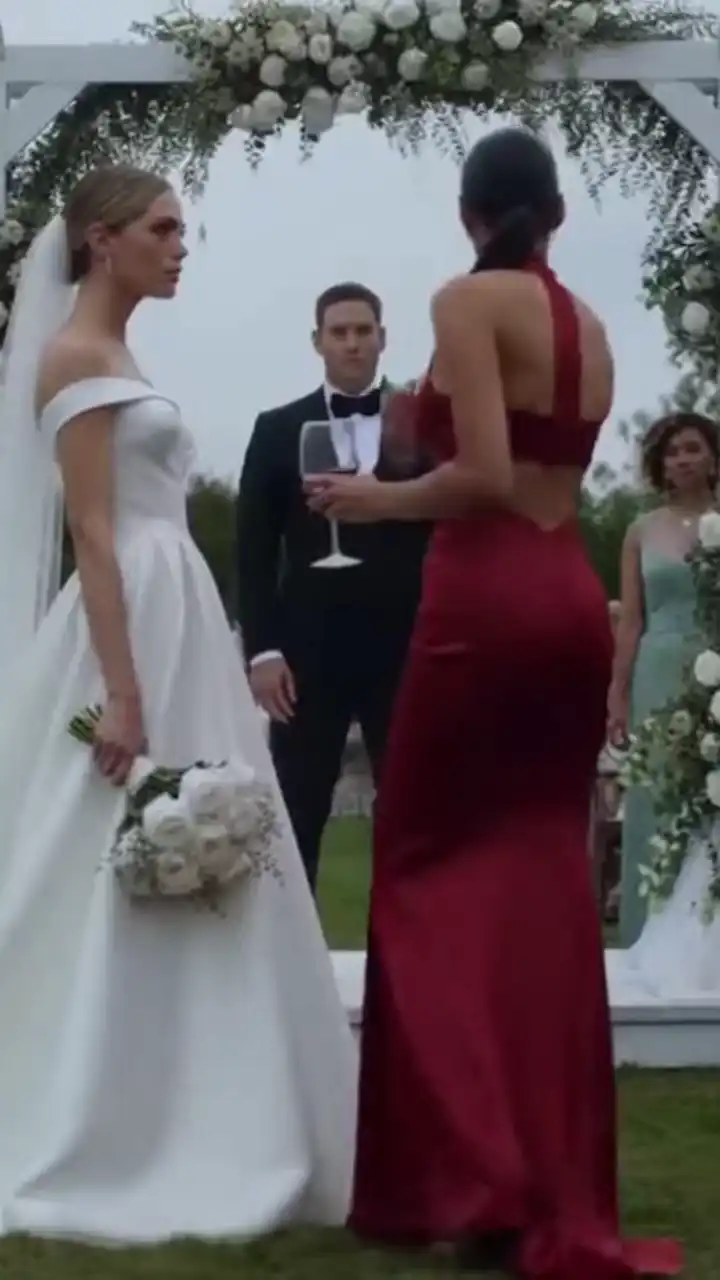
THE MAID OF HONOR POURED WINE ON ME AT MY WEDDING AND CALLED ME CRAZY. SHE FORGOT I STILL HAD THE VOICE NOTE SHE SENT MY FIANCÉ.