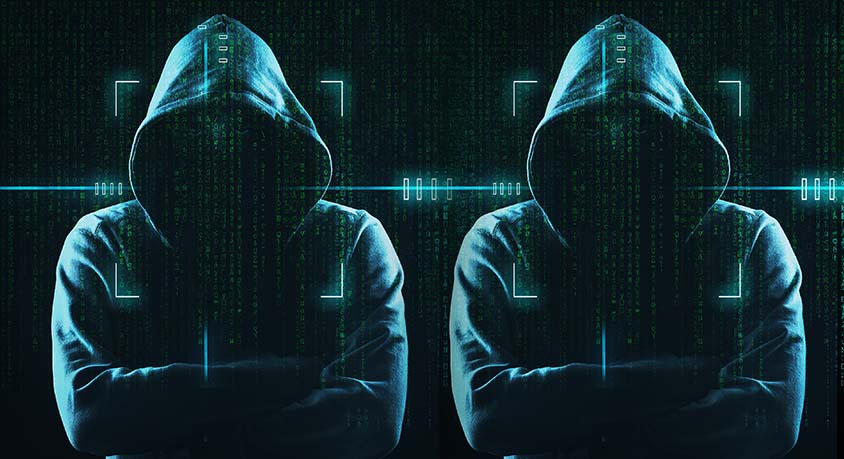
Most people think identity theft ends with stolen passwords or credit card numbers—annoying, but fixable with a call to the bank. That’s no longer the case. Thanks to the collision of generative AI and the metaverse, criminals can now create a hyper-realistic “digital twin” of you using just one social media photo, then use it to scam friends, ruin reputations, or conduct transactions in virtual worlds. Think of traditional identity theft as stealing your wallet; this new breed is stealing your face, voice, and mannerisms—creating a fake “you” that’s indistinguishable from the real thing. In a Web3 world built on decentralization, where anyone can create content and interact anonymously, proving “I am who I say I am” has become a crisis, not a technicality.
The technology behind these digital twins is advancing at a terrifying pace. Generative AI models can now turn a single 2D photo into a 3D avatar that mimics your facial expressions, while voice cloning tools replicate your tone and speech patterns with 96% accuracy after analyzing just 10 seconds of audio. When paired with metaverse platforms—where virtual interactions are increasingly tied to real-world finances and reputation—these twins become weapons. A 2024 report found that dark web marketplaces are selling custom digital twins for $500–$2,000, with 73% of buyers admitting to using them for fraud. In one case, a scammer used a CEO’s digital twin to convince a finance team to transfer $1.2 million to a fake account, with the virtual avatar appearing in a metaverse board meeting and issuing “official” instructions. For everyday users, the risk is equally real: digital twins have been used to catfish romantic partners, post offensive content under someone else’s name, and even trick family members into sending emergency funds.
The crisis exposes a fatal flaw in Web3’s promise of decentralized identity. While blockchain was supposed to eliminate reliance on central authorities, it failed to account for AI’s ability to forge the “human” part of identity. Traditional verification methods—like usernames or two-factor authentication—are useless against a digital twin that looks and sounds exactly like you. The problem is that identity isn’t just data; it’s the unique combination of biology and behavior that AI can now replicate. Think of it as a lock: Web3 focused on making the key uncopyable, but AI figured out how to pick the lock by mimicking the owner’s hand. To fix this, developers are racing to build “biometric proof-of-self” systems that tie digital identity to irreplicable physical traits—like heart rate patterns, retinal scans, or even the way you type. These systems store biometric data on the blockchain, ensuring it can’t be tampered with, and require real-time verification before any high-stakes virtual interaction. Early trials show these tools reduce digital twin fraud by 89%, but adoption is slow due to privacy concerns.
The stakes go beyond individual fraud; digital twins threaten to erode trust in the metaverse entirely. If you can’t be sure the person you’re interacting with is real, virtual workplaces, social networks, and marketplaces will collapse. Governments are starting to act: the EU’s Digital Services Act now requires metaverse platforms to implement “identity certainty” measures for high-risk transactions, while the U.S. FTC has launched a task force to track digital twin scams. For individuals, the solution is twofold: limit the amount of personal data you share online (especially high-resolution photos and videos) and use privacy-focused metaverse platforms that require biometric verification. Businesses should deploy deepfake detection tools that analyze subtle inconsistencies—like unnatural eye movements or mismatched voice timbre—that AI still can’t replicate.
This isn’t just a tech problem; it’s a battle for ownership of your identity. In the era of digital twins, “identity” is no longer something you inherently have—it’s something you have to protect, verify, and defend. Web3’s original vision was to give users control over their data, but that vision is incomplete without protecting users from being impersonated. The future of the metaverse depends on solving this crisis: if we can’t prove “I am me,” the virtual world will become a lawless place where trust is impossible. The digital twin revolution isn’t inherently evil—it has legitimate uses, from virtual concerts to remote work—but without guardrails, it’s a tool for exploitation. The time to act is now, before identity theft 2.0 becomes the new normal.
Disclaimer: Mention of any brand or trademark is for identification only and does not imply partnership or endorsement

MY HUSBAND USED MY MONEY, GOT ENGAGED TO HIS MISTRESS, AND STOOD THERE WHILE SHE SLAPPED ME

THE MAID OF HONOR POURED WINE ON ME AT MY BRIDAL SHOWER AFTER STEALING MY FIANCÉ. SHE DIDN'T KNOW THE ROOM WAS ABOUT TO HEAR WHAT HE'D BEEN SAYING TO BOTH OF US.

THE MAID OF HONOR POURED WINE ON ME AT MY WEDDING AND CALLED ME CRAZY. SHE FORGOT I STILL HAD THE VOICE NOTE SHE SENT MY FIANCÉ.