
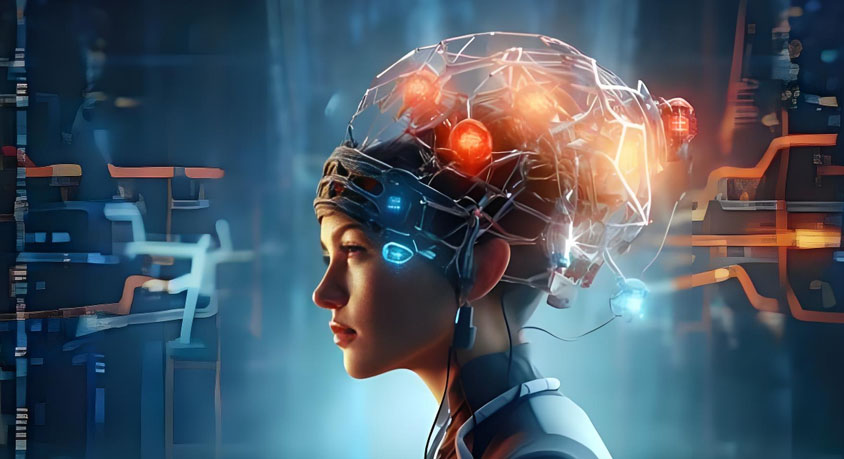
Most people dismiss “mind reading” as a sci-fi trope—something reserved for superhero movies, not real life. But that’s no longer the case. Brain-computer interfaces (BCIs) have evolved from treating paralysis to decoding emotions, detecting lies, and even interpreting basic thoughts with startling accuracy. What began as a medical breakthrough now threatens the last bastion of privacy: the space inside our heads. Think of BCI as a wiretap for the brain—instead of intercepting phone calls, it captures neural signals, translating silent thoughts and feelings into data that can be stored, analyzed, or exploited. As this technology creeps into interrogation rooms, job interviews, and classrooms, the question isn’t whether we can stop it—it’s how we defend the right to think freely without being monitored, judged, or manipulated.
The science behind mind decoding is advancing at a breakneck pace. Modern BCIs use non-invasive sensors (no surgery required) to detect electrical activity in the brain, then AI algorithms map these signals to specific emotions, intentions, or even words. A 2025 study found that a commercial BCI could identify basic emotions (joy, anger, fear) with 90% accuracy, while a research-grade device decoded simple phrases (“I agree,” “I object”) with 65% precision—up from 10% just five years ago. The applications are already here: some law enforcement agencies are testing BCI lie detectors that claim 95% accuracy, bypassing the flaws of traditional polygraphs. Employers in tech and finance are piloting “neuro-assessments” to measure candidate focus, honesty, and even loyalty during interviews. In classrooms, BCIs monitor student attention, alerting teachers when a child’s mind wanders—all under the guise of improving education. This isn’t just innovation; it’s the weaponization of thought data, with zero oversight for how it’s used or stored.
The risks extend far beyond privacy. If BCIs can decode thoughts, they can also manipulate them. Neurofeedback technology, originally designed to treat anxiety, is now being used to “train” brains for compliance—adjusting neural patterns to make people more agreeable or less critical. In authoritarian regimes, this could become a tool for political control; in democracies, it threatens the foundation of free speech and independent thinking. Imagine a world where your boss can tell if you’re secretly unhappy with a project, or where a government tracks dissenting thoughts before you ever voice them. The danger isn’t just that our minds are being read—it’s that the ability to read them will chill the very act of thinking freely. For individuals, the psychological toll is real: studies show people self-censor their thoughts when they believe they’re being monitored, eroding creativity and critical thinking.
Defending mind privacy requires three pragmatic, actionable steps—no abstract ethics required. First, pass global laws banning non-consensual brain data collection, with severe penalties for employers, governments, or companies that use BCIs without explicit, written consent. Second, develop “neural firewalls”: hardware and software that encrypt brain signals, blocking unauthorized access to BCI data. Early prototypes of these tools reduce data leakage by 98%, making mind decoding nearly impossible for third parties. Third, educate the public on BCI risks—most people don’t realize that the “wellness” BCIs they use to track sleep or focus are collecting sensitive neural data that could be sold or hacked. These steps aren’t anti-technology; they’re pro-freedom. BCIs still have life-changing medical uses—helping paralyzed people walk, letting stroke victims speak—but those benefits don’t have to come at the cost of privacy.
Neurotechnology isn’t inherently evil. It can heal, empower, and transform lives. But like any powerful tool, it needs guardrails to prevent abuse. The right to think freely is the most fundamental human right—without it, all other freedoms crumble. We don’t have to choose between medical progress and mind privacy; we just have to demand that BCI developers prioritize ethics as much as innovation. The future of thought freedom isn’t guaranteed—it’s something we have to build, one law, one firewall, one informed citizen at a time. Mind reading may no longer be science fiction, but the right to keep our thoughts to ourselves is still worth fighting for.
Disclaimer: Mention of any brand or trademark is for identification only and does not imply partnership or endorsement

MY HUSBAND USED MY MONEY, GOT ENGAGED TO HIS MISTRESS, AND STOOD THERE WHILE SHE SLAPPED ME

THE MAID OF HONOR POURED WINE ON ME AT MY BRIDAL SHOWER AFTER STEALING MY FIANCÉ. SHE DIDN'T KNOW THE ROOM WAS ABOUT TO HEAR WHAT HE'D BEEN SAYING TO BOTH OF US.

THE MAID OF HONOR POURED WINE ON ME AT MY WEDDING AND CALLED ME CRAZY. SHE FORGOT I STILL HAD THE VOICE NOTE SHE SENT MY FIANCÉ.